
The International Short Range Vertical Transport Industry Takes Taipei
On the films of Edward Yang, elevators, and Colson Whitehead's The Intuitionist

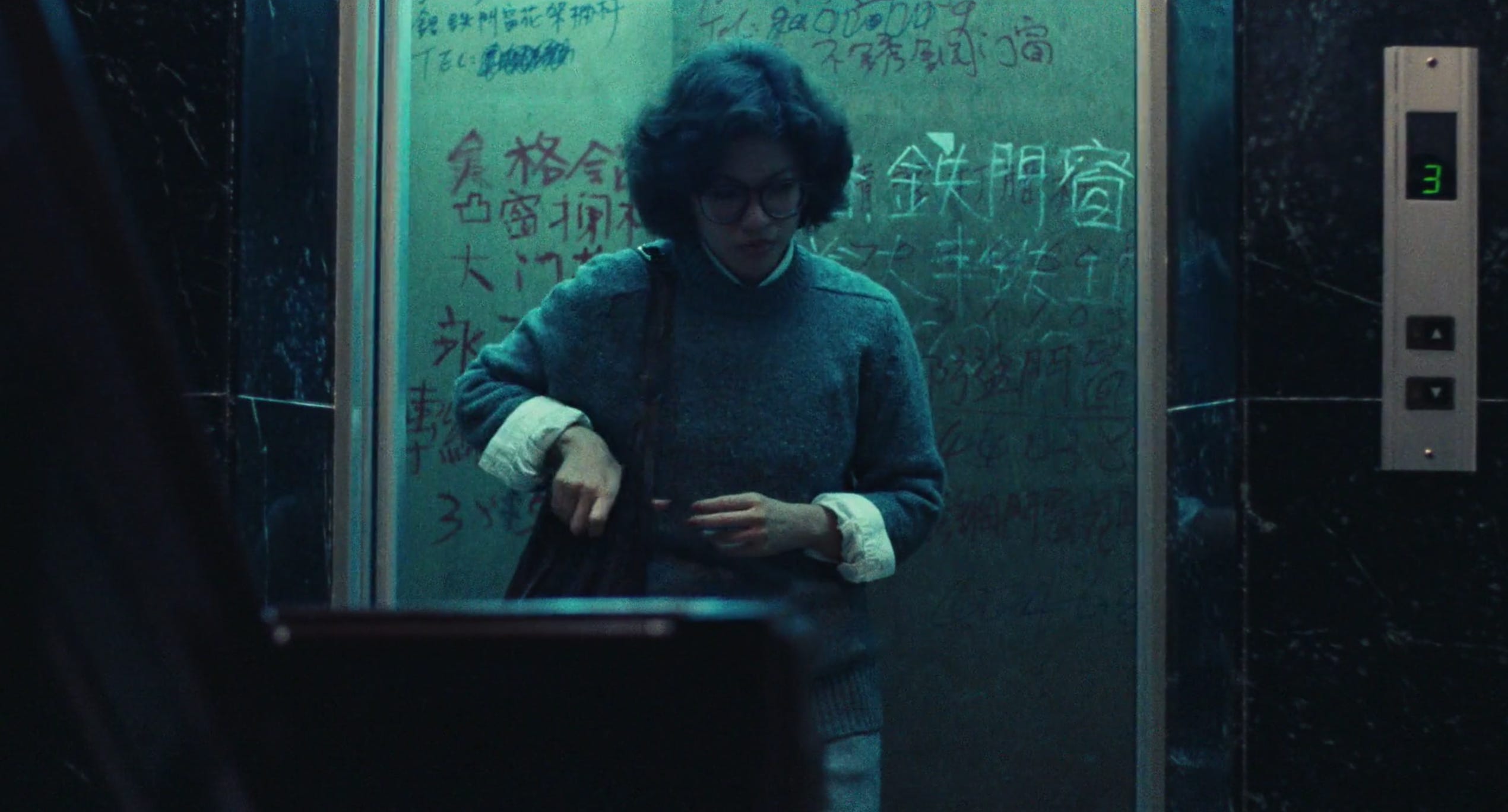
“This is the one that started it all, enabling the metropolis, summoning them into tumultuous modernity.”
Colson Whitehead, The Intuitionist
“Something happens to men in elevators. Must be the change of altitude — the blood rushes to their head, or something…”
Fran Kubelik, The Apartment (1960)
In January 2024, Gene Siskel Film Center hosted a partial retrospective of Taiwanese filmmaker Edward Yang’s work, during which I re/watched Taipei Story (1985), A Confucian Confusion (1994), Mahjong (1996), and Yi Yi (2000). The theater called this series Edward Yang: Cities and Souls, which I find apt, if a bit forgettable. That relationship — between cities and souls, which one might interpret variously as people, identities, the spiritual — is key for Yang. It has often been noted that he came close to studying architecture at Harvard. Though he opted against doing so, Yang’s films consistently and rigorously examine the many levels on which architecture (specifically the urban architecture of Taipei) operates: refractions of characters’ inner lives, markers of the passage of time, and physical manifestations of capital, to give a few examples. Like that of his contemporary (and occasional collaborator) Hou Hsiao-hsien, Yang’s mise en scène is quite literally shaped by buildings, as when creating frames-within-frames out of doorways. There seems to me to have been an especially pronounced interest in his use of reflections and refractions in glass windows and mirrors. (Jeff Smith’s video essay Reflections In and On Yi Yi, made for Criterion’s Observations on Film Art series, is one such non-academic study.) [1] In fact, I’ve historically described Yang’s oeuvre as a cinema of windows when pitching him to friends unfamiliar with his work. Yet windows are only one aspect of the built environment that Yang utilizes across his filmography.
Many other writers have taken an interest in the diverse filmic manifestations of Yang’s interest in architecture. Ruochen Bo, in the program notes for Harvard Film Archive’s Yang retrospective, writes that “[Yang’s] visual compositions illuminate a hyperawareness that geometrical figures are closely linked to intuitive knowledge”; in Criterion’s Current, Andrew Chan praises Yang’s “methodical approach to structure, his sensitivity to how people interact with (and within) built landscapes, his understanding of how place becomes a conduit for emotionally charged ideas about history and identity”; the title of Leo Chanjen Chen’s article for New Left Review, “The Frustrated Architect: The Cinema of Edward Yang,” speaks for itself. [2] [3] [4] The list could continue. After watching (and then rewatching) the aforementioned films of his in quick succession, however, a motif was teased out that I haven’t seen written on in any length or specificity: the elevator.
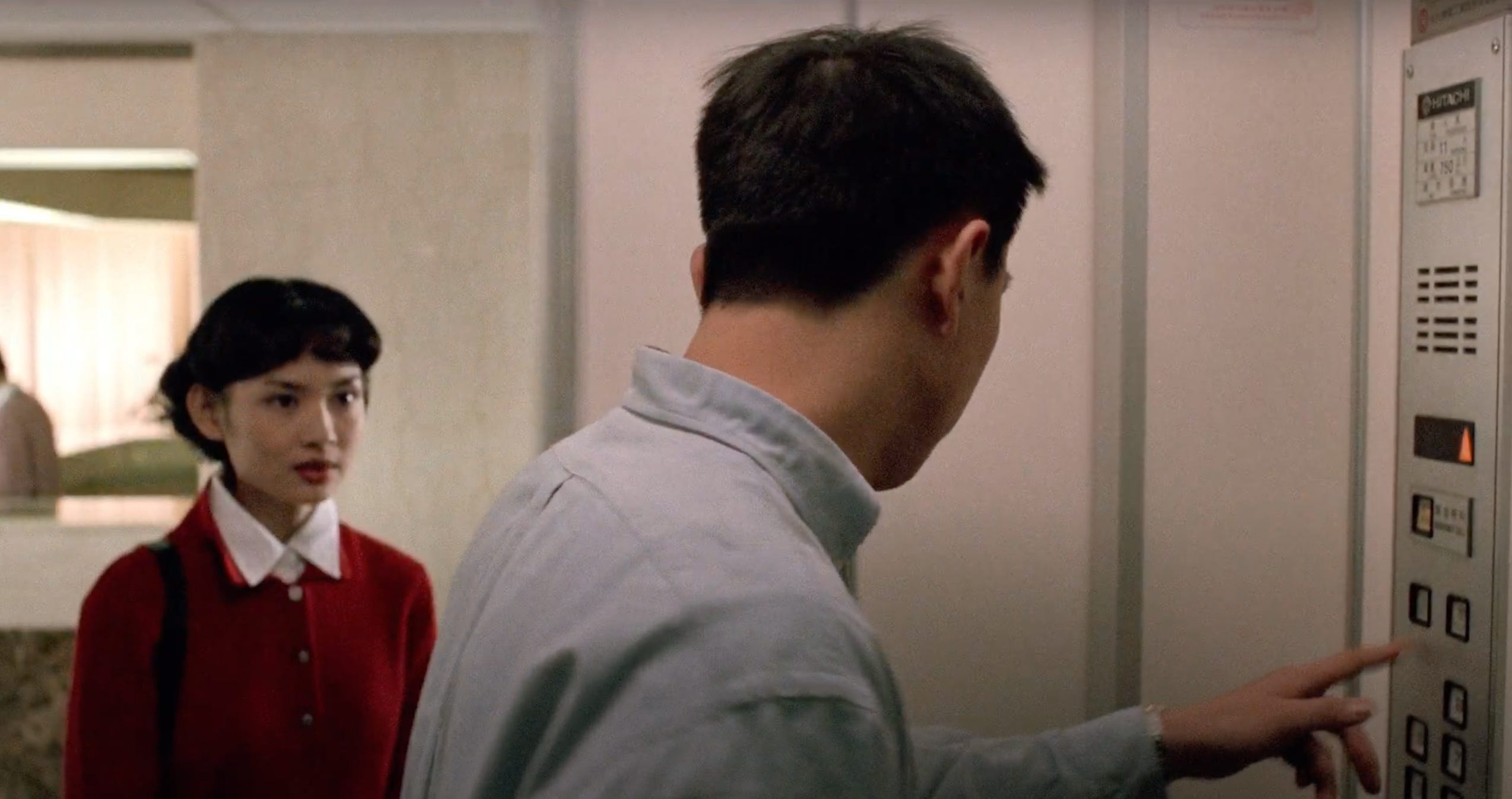
Reviewing Andreas Bernard’s book Lifted: A Cultural History of the Elevator for Maclean’s magazine, Brian Bethune writes, “There are a lot of candidates for the inanimate icon of modernity…the car, the airplane, the machine gun, even the flush toilet. Bernard makes a compelling case for the elevator.” [5] Yang is a filmmaker deeply interested in the physical and affective conditions of modernity (cities and souls, once again), and his films likewise posit the elevator as a synecdoche of modern urban life. In Yang’s Taipei, elevators are sites of dislocation, confusion, love, and violence. It’s no coincidence that central characters in Taipei Story, A Confucian Confusion, and Yi Yi (Ah-chen, Birdy, and the Jian family, respectively) live in residences with elevators directly outside the front door. In Yi Yi, the two elevators shared by the Jian family’s floor first appear roughly five minutes into the film. Ting-Ting and her grandmother disembark and immediately meet Lili, who — along with her mother — are in the midst of moving in next door. Lili hurries into the vacated elevator to go meet her boyfriend Fatty. This early scene links the elevators to meetings, chance encounters, and speedy getaways. Such incidents multiply during the remainder of the film: Lili kisses a boy who slips into the elevator and descends as soon as Ting Ting gets off; A-Di, wearing only boxers and a tank top after getting kicked out of his house, exits the elevator and is forced to hide around the corner while a religious leader leaves the Jians’s apartment; Lili’s teacher dashes out of a rendezvous at her apartment just before Ting-Ting follows him to meet Fatty. In one memorable scene towards the end of A Confucian Confusion, Yang’s fixation on encounters in and outside of elevators reaches a fever pitch. In quick succession, Feng cusses out Akeem when he rushes into an elevator she’s exiting (“Fucking peasant! Can’t even use an elevator?”); Akeem exits the elevator outside of Birdy’s studio, only for Birdy to rush in, throwing his shoes at Larry while the latter chases him with a sword; Akeem pushes Larry through the next elevator’s closing doors after Larry yells at him. (We hear Larry scream Akeem’s name as the elevator descends.)
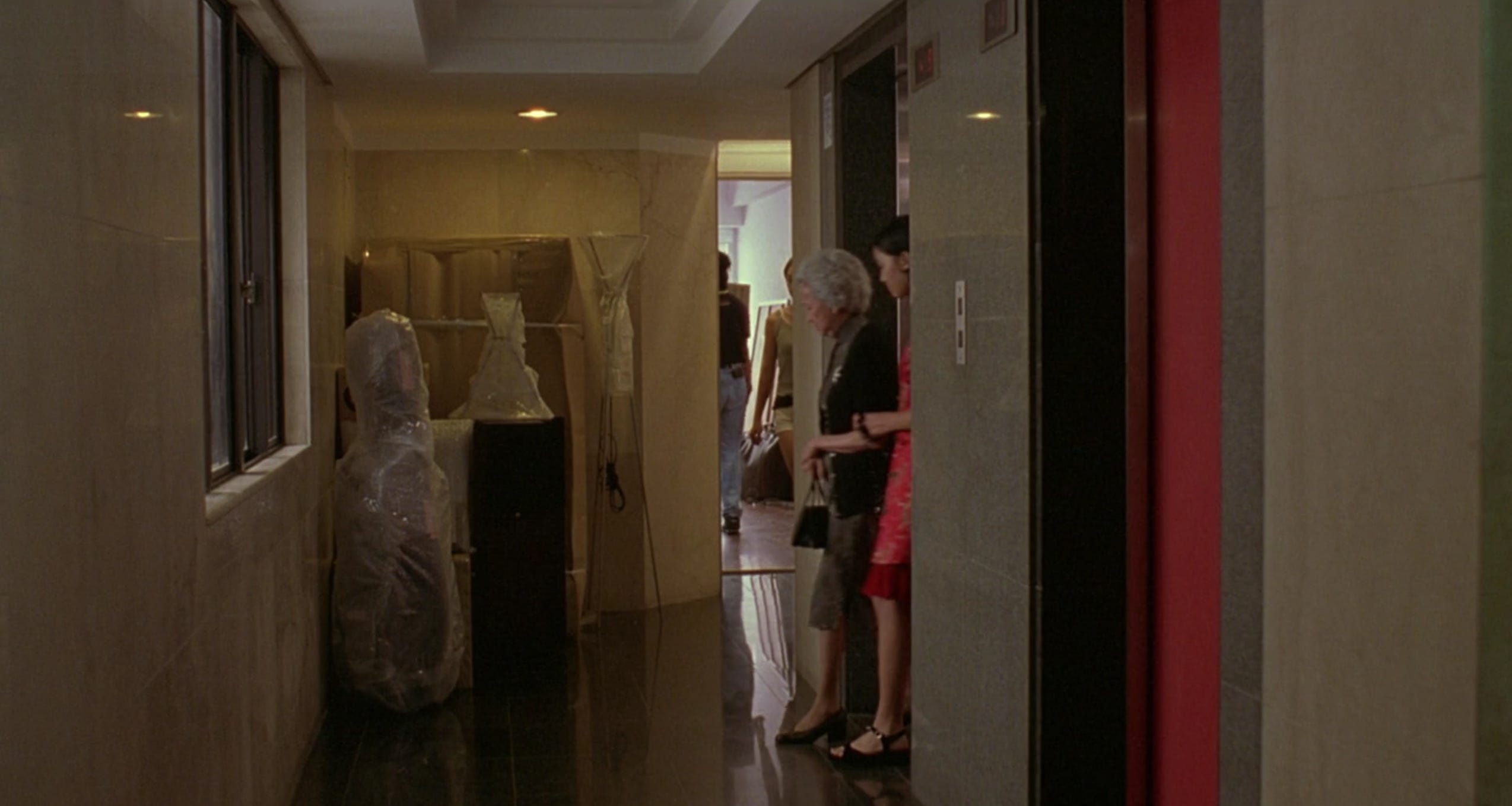
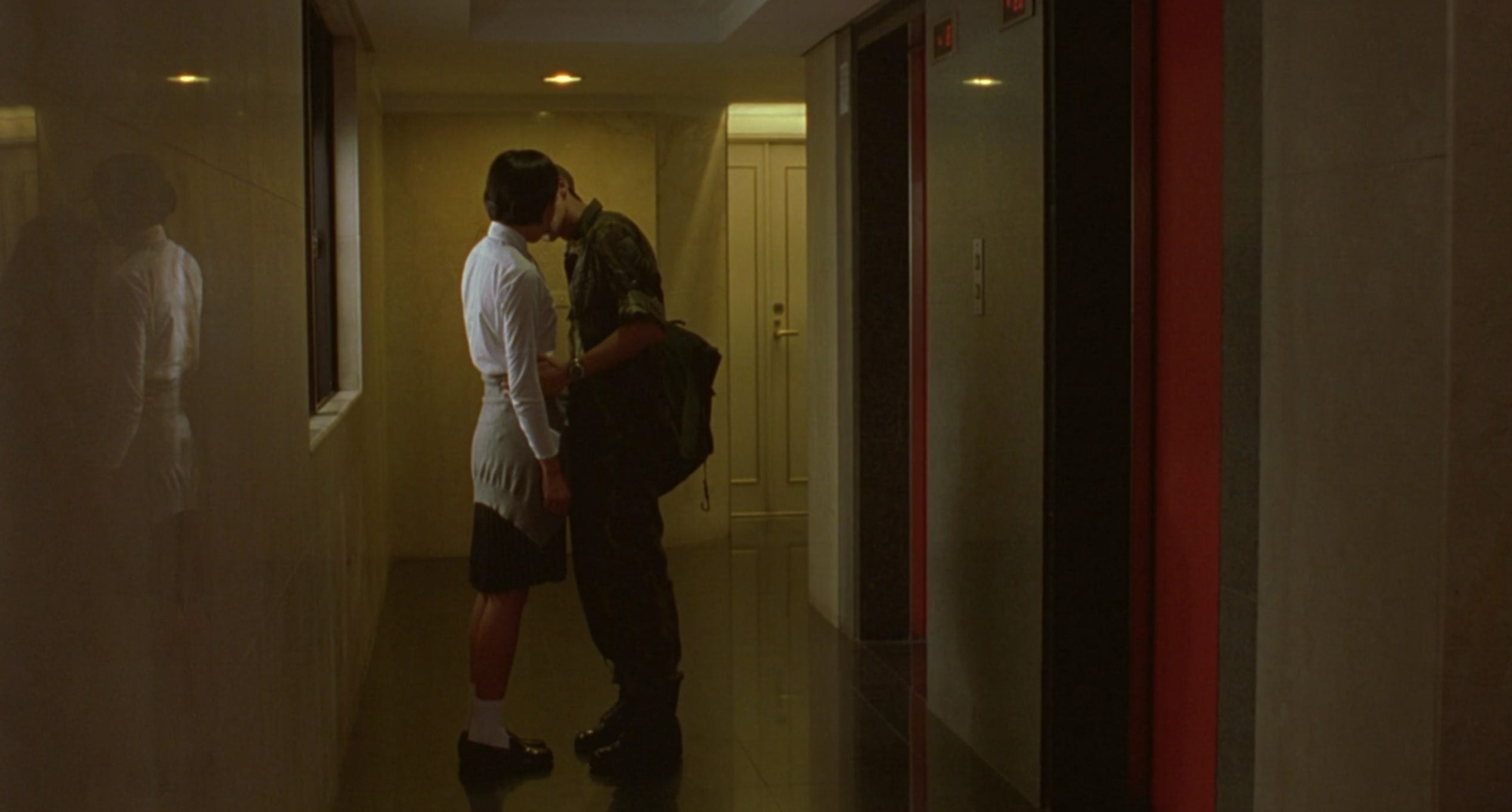
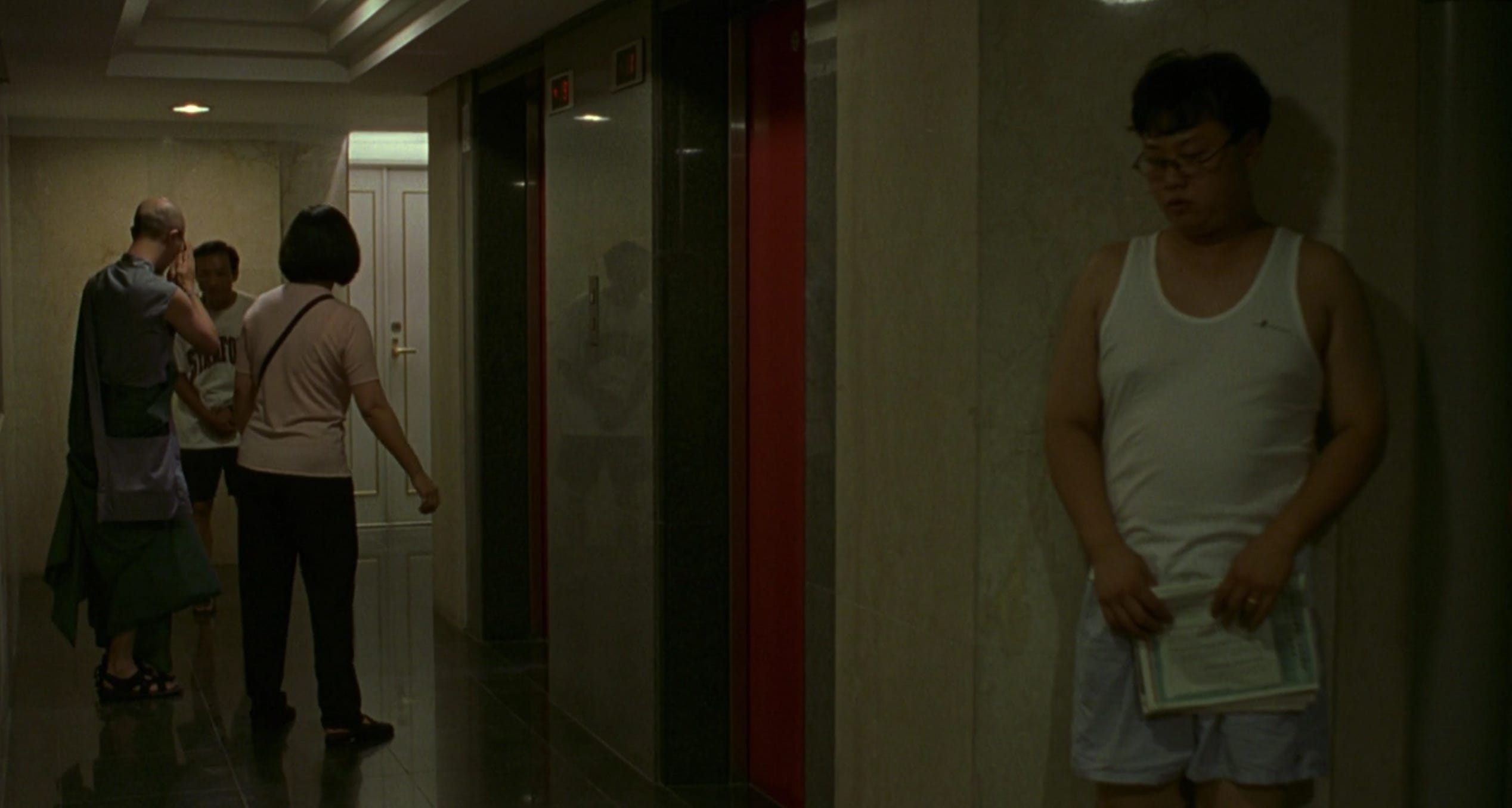
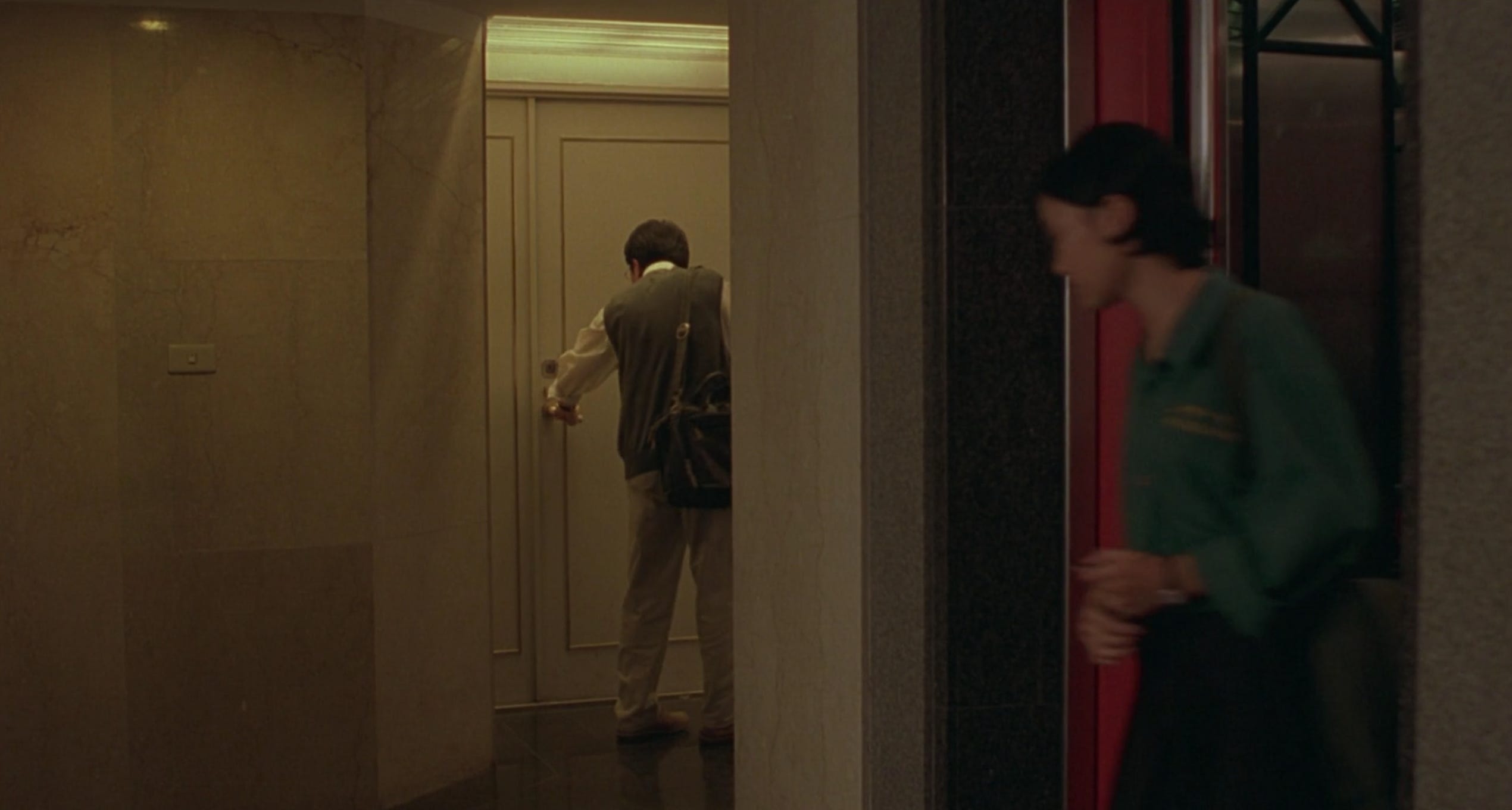
The idea that modern life in Taipei is characterized by rapid change, dislocation, and confusion runs prominently through Yang’s filmography. In Taipei Story, an architect named Mr. Ke links these feelings directly to Taipei’s architecture: “Look at these buildings… it’s getting harder for me to tell which ones I designed and which ones I didn’t. They all look the same. Whether I’m involved or not seems less and less important.” Later in the film, Ah-chen’s father describes to Ah-lung how a specific intersection has changed: “There used to be a theater over there. And that was a vegetable store. There wasn’t a single car around here. Now they’re all over. I remember that your granddad used to live on that corner. He had a nice car, you know.” In his amazement at the changes that the city has undergone (and certainly under the influence of some alcohol), Ah-chen’s father can’t even settle on a single version of the past, claiming both that “there wasn’t a single car” and that Ah-lung’s granddad “had a nice car.” Taipei’s rapid evolution breeds this type of confusion. A Confucian Confusion opens with a dialogue between the titular philosopher and his disciples, which ends with the commentary, “It took a city named Taipei just 20 years to become one of the wealthiest cities in the world.” The symbol of that so-called progress? Like Andreas Bernard in Lifted: A Cultural History of the Elevator, I’d posit the machine that enables buildings to grow upwards, literalizing Taipei’s ascendence into a financialized future. For Ah-chen, Birdy, and the Jian family, stepping out the front door means stepping right into one of these machines, and into the architecture of modernity.
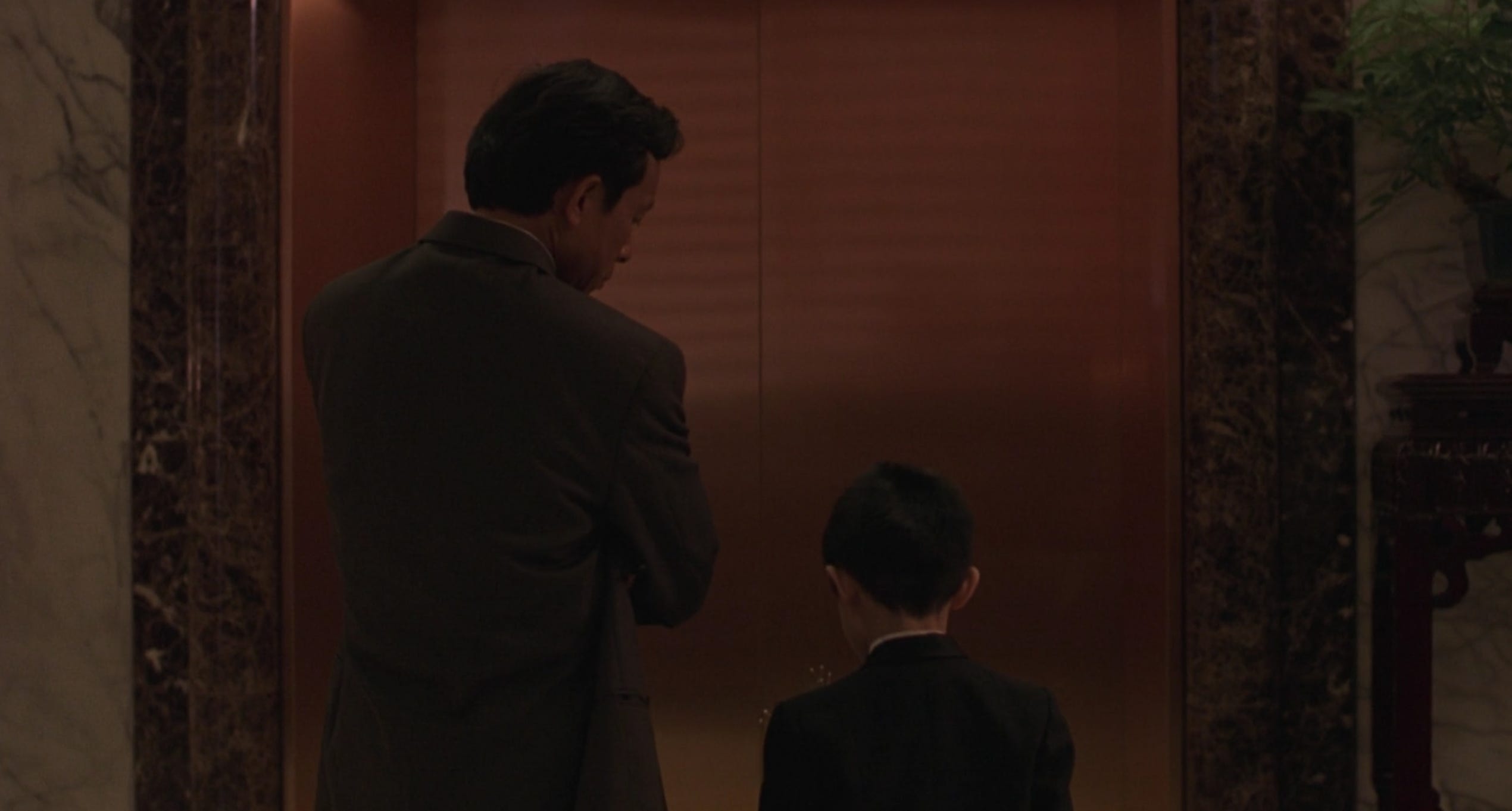
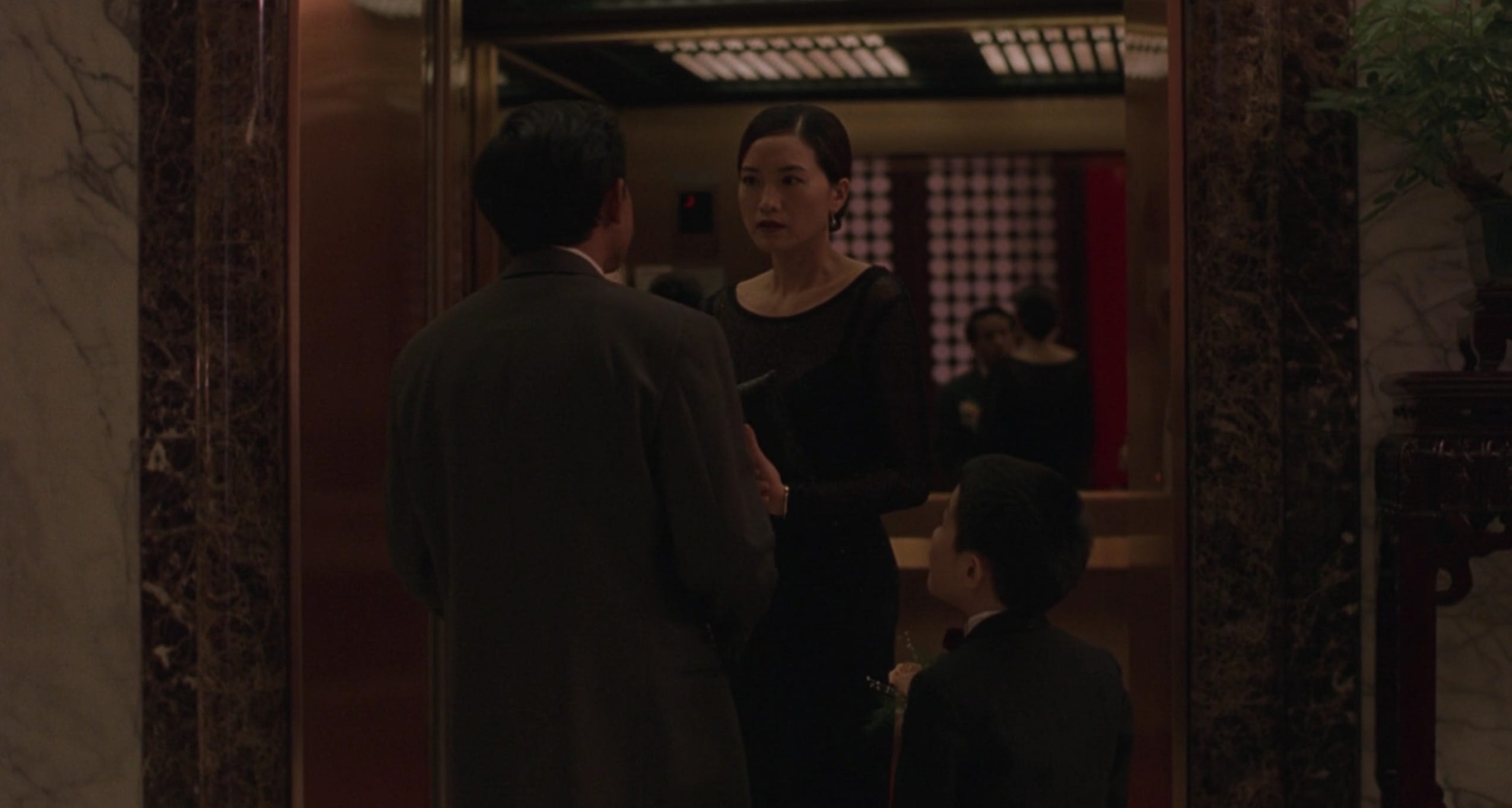
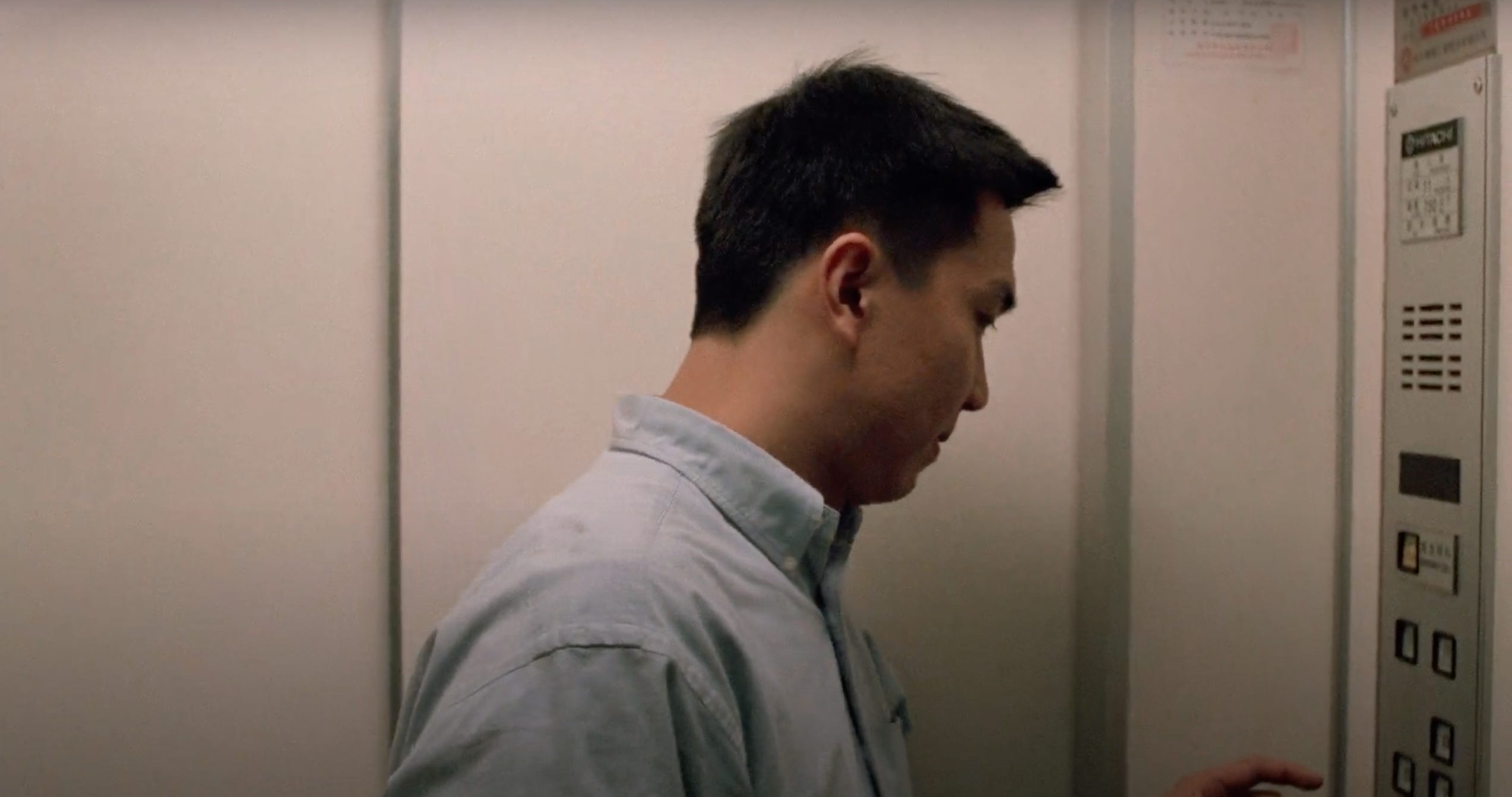
Some of the most pivotal elevators in Yang’s filmography, however, are not located within residential buildings. One of the major threads of Yi Yi — NJ and Sherry’s reconnection roughly 30 years after breaking up — is set in motion by an unexpected meeting at a hotel elevator. As NJ is stepping onto the elevator with his son Yang Yang, he winds up face-to-face with Sherry, who is disembarking. They let the door close behind her and have a brief, hesitating conversation that ends with Sherry giving NJ her phone number and departing. While NJ and Yang Yang wait for the next elevator, she returns and questions NJ harshly about the way he ended their relationship. Before he can attempt to answer, a mutual friend exits the elevator and starts talking to the pair, thereby diffusing the tension. NJ, Yang Yang, and the friend get on the elevator together. There are several levels of disorientation at play throughout the scene. As we’ve seen in prior sequences that involve elevators, Yang consistently puts them at the center of busy scenes in which several characters come and go multiple times — hence Sherry returning to the elevator, and the friend getting back on right after he steps off. His confusion is explicated by his remark, “What did I come down for?” The most important level on which this scene operates, though, is that the elevator reconnects the ex-lovers, functioning, in some ways, like a time machine. The door opens and right in front of NJ’s face is Sherry, who he last saw 30 years prior. We witness the same process occur, on a much-truncated timeline, in the final long take of A Confucian Confusion. Inside a hospital elevator, Ming and Qiqi break up in high spirits. They step off the elevator together on the ground floor and agree to meet for coffee sometime. Qiqi walks away and Ming gets back on the elevator, the door closing behind him. He starts to press a button, hesitates, and then presses the door-open button. Qiqi is standing there as the door opens and asks if he’d like to get coffee; he steps out and they embrace before the movie cuts to credits. Like the initial meeting between NJ and Sherry in Yi Yi, the door of the elevator becomes both a portal to romantic possibility and a destabilization of linear time. In the scene from A Confucian Confusion especially, Qiqi’s presence outside the elevator door is startling. Her question to Ming — “Feel like a coffee at Friday’s?” — plays with their prior agreement to get coffee at some undetermined point in the future. We know, of course, that they last saw each other only moments ago — the unbroken long take drives this point home. Yet Qiqi’s question tempts us to consider if this is really so. How much time did pass while we followed Ming back into the elevator?
“What happens when too many impossible events occur, when multiple redundancy is not enough. Scratching heads over this mystery of the new cities.” It could be a description of Yang’s films — full, as I’ve aimed to show, of improbable meetings, disorientation, temporal dislocation, confusion, and mystery, often orbiting around the elevator, that symbol of modern urban life. It isn’t; it’s a passage from Colson Whitehead’s debut novel The Intuitionist (1999), describing an elevator in total freefall. While Yang’s project utilizes elevators as one example of urban architecture’s linking of inner and outer lives, Whitehead invents a discipline dedicated to them. The novel’s protagonist, Lila Mae Watson, is a graduate of the Institute of Vertical Transport, as well as the first Black woman to become an elevator inspector in an unnamed city’s Department of Elevator Inspectors. To situate her degree and career, Whitehead nimbly adorns the study of elevators with a history (partly real and partly invented), a politics, a literary canon, and competing ideologies that cause a crucial rift within the discipline. Watson is an Intuitionist, or one who can intuit the health of an elevator by riding in it, and perhaps even generally being in its vicinity. Empiricists, meanwhile, examine elevators in what we might consider the traditional manner: using instruments, looking at parts, crunching numbers. In the context of Edward Yang’s films, as in the context of Whitehead’s novel, Intuitionism is the more captivating school. Lila Mae Watson, via her intuitive power, imbues elevators with a psychic state; the machines communicate to her whether they are in disrepair. This idea seems to me to push one of Yang’s most pronounced interests even farther than he did — namely, the ways in which architecture shapes — and is shaped by — the psychological conditions of modernity.
[1] https://www.criterionchannel.com/reflections-in-and-on-yi-yi
[2] https://harvardfilmarchive.org/programs/chronicles-of-changing-times-the-cinema-of-edward-yang
[5] https://macleans.ca/culture/books/how-the-elevator-changed-everything-2/
Woah rlly interesting! I love idea of elevators as time machines
Really interesting! This also brings to mind the use of elevators in Koyaanisqatsi and Hotel Monterrey.